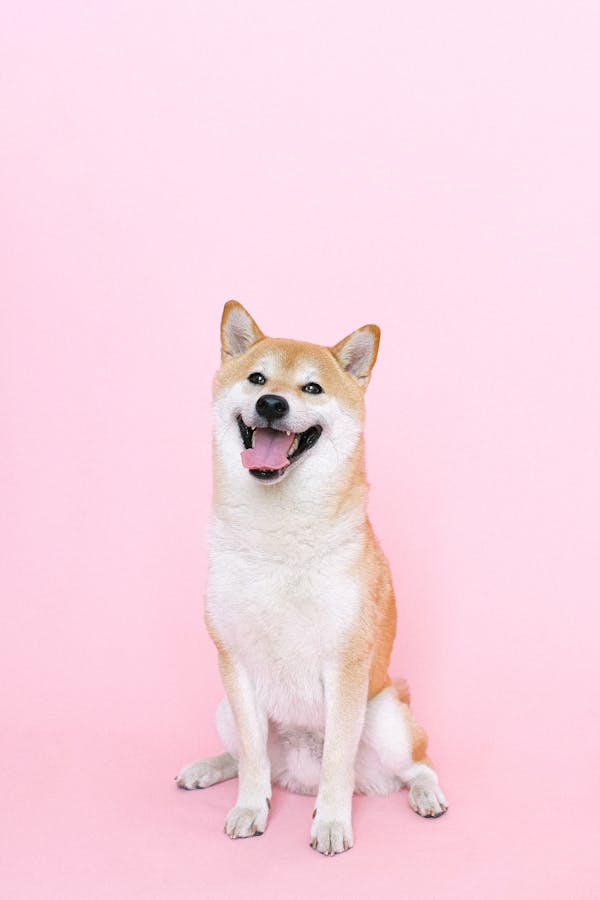
Here is something that changed the way I think about dog ownership: 15 minutes of brain work tires a dog out as much as 30 minutes of running. Let that sink in. Your dog does not just need to move their body. They need to use their head.
And if they are not getting that mental workout? They will find their own entertainment. Chewed-up shoes, shredded couch cushions, holes in the garden, barking at absolutely nothing for 20 minutes straight. Most people call this bad behavior. Most of the time, it is just a bored dog with nothing better to do.
The fix is not more walks. It is mental enrichment -- giving your dog's brain something to solve, sniff, lick, or figure out. Once you start, you will notice a calmer, more settled dog within days. Here is everything you need to get started.
Why Mental Stimulation Matters More Than You Think
Dogs were bred to work. Retrievers retrieved. Shepherds herded. Terriers hunted vermin underground. Even your goofy Labrador carries generations of working genetics that expect a daily challenge. When that challenge never comes, the energy has to go somewhere.
Regular mental stimulation does three big things. First, it prevents destructive behavior by channeling energy into something productive instead of your furniture. Second, it builds confidence in anxious dogs. A dog that learns to solve a puzzle carries that confidence into other situations -- meeting new people, hearing loud noises, being left alone. Third, and this is huge for older dogs, it slows cognitive decline. Just like crossword puzzles keep human brains sharp, enrichment activities keep your senior dog engaged and alert longer.
A 2020 study from the University of Bristol found that dogs who received daily enrichment showed significantly fewer behavioral problems than dogs who only received physical exercise. Not surprising when you think about it. Would you feel satisfied running on a treadmill every day but never reading a book, having a conversation, or solving a problem?
Ditch the Boring Bowl: Puzzle Feeders as Daily Enrichment
This is the single easiest change you can make today. Stop feeding your dog from a regular bowl. Seriously. A standard bowl lets your dog inhale an entire meal in 90 seconds. That is a wasted opportunity for 15 to 20 minutes of mental engagement.
Puzzle feeders turn mealtime into a brain game. Your dog has to nudge, push, slide, or flip compartments to access their kibble. It sounds simple, but watch a dog working on a puzzle feeder -- the focus, the problem-solving, the tail wag when they crack a tricky section. That is enrichment in action.
Start with an easy design so your dog does not get frustrated and give up. The Interactive Puzzle Toy is a solid starting point because it has adjustable difficulty levels. Once your dog masters the easy setting, bump it up. For mealtime specifically, the Interactive Slow Feeder Puzzle Toy works beautifully because it combines the mental challenge with slower eating, which also reduces bloat risk in deep-chested breeds like German Shepherds and Great Danes.
Pro tip: use their regular kibble in puzzle feeders. You are not adding extra calories -- just making the calories they already eat work harder for your dog's brain.
Interactive Toys for Solo Play
You cannot entertain your dog every second of the day. You have work, errands, life. This is where motion-activated toys earn their keep.
The Jumping Fish Toy is a favorite in our house. It flops and moves on its own, triggering that natural prey drive that makes dogs (and cats) go absolutely nuts. Toss it on the floor when you need to hop on a video call, and your dog has 20 minutes of self-directed play. It works for cats too -- the flopping motion mimics a real fish, and cats will stalk, pounce, and bat at it like they have found actual prey in the living room.
Rotate these toys in and out every few days. Dogs lose interest in toys that are always available, the same way you would get bored reading the same book on repeat.
Lick Mats: Low-Key Enrichment That Reduces Anxiety
Licking is a natural calming behavior for dogs. It releases endorphins and lowers heart rate. A Premium Silicone Lick Mat takes advantage of this by giving your dog a surface that holds spreadable food in its textured grooves, turning a quick snack into 10 to 15 minutes of focused licking.
The real magic happens when you freeze the lick mat. Frozen recipes last significantly longer and provide even more mental engagement as your dog works through the slowly-thawing layers. Here are three freeze recipes that dogs go crazy for:
- Pumpkin + plain yogurt: Mix equal parts canned pumpkin (not pie filling) with unsweetened plain yogurt. Great for digestion too.
- Banana + peanut butter: Mash half a banana and swirl in a tablespoon of peanut butter. Make sure the peanut butter does not contain xylitol.
- Sweet potato + coconut oil: Blend cooked sweet potato with a teaspoon of coconut oil. Rich in fiber and healthy fats.
Spread the mixture into the grooves, freeze for at least 4 hours, and hand it to your dog before you leave for work or when you need them to settle down. It is a game changer for dogs with separation anxiety.
DIY Enrichment Games That Cost Nothing
You do not need to buy anything to start enriching your dog's life. Some of the best brain games use stuff you already have at home.
The Muffin Tin Game
Drop a treat into each cup of a muffin tin, then cover each cup with a tennis ball. Your dog has to figure out how to remove each ball to get the treat underneath. Most dogs start by nosing the balls off one at a time. Some clever ones figure out they can flip the entire tin. Either way, it is 10 minutes of solid problem-solving.
The Towel Roll
Lay a towel flat, scatter treats across it, and roll it up. Your dog has to unroll the towel with their nose and paws to find the food hidden inside. Start with a loose roll and make it tighter as they get the hang of it.
Cardboard Box Dig
Fill a cardboard box with crumpled newspaper or paper towels. Hide treats throughout the crumpled paper. Your dog gets to rip, dig, and forage through the box. It is messy, but the joy on their face is worth the cleanup. Great for terriers and other breeds with strong digging instincts.
Scatter Feeding in Grass
Take a handful of kibble and scatter it across your lawn. Your dog's nose goes to work, sniffing out each piece one by one. A 5-minute meal becomes a 20-minute sniff session. This is especially good for scent hounds like Beagles and Bloodhounds -- you are literally letting them do what they were born to do.
Enrichment Matched to Your Dog's Energy Level
Not every dog needs the same type or intensity of enrichment. Matching activities to your dog's energy level prevents frustration on both ends.
Low-energy dogs (Basset Hounds, Bulldogs, senior dogs): Stick with lick mats, sniff walks, and gentle puzzle feeders. These dogs tire mentally without needing a lot of physical manipulation. A frozen lick mat and a slow scatter feed in the yard is a full enrichment session for them.
Medium-energy dogs (Golden Retrievers, Cocker Spaniels, Beagles): Puzzle feeders at mealtimes, one or two short training sessions per day (5 to 10 minutes each), and a few DIY games per week. This group does well with variety -- switch things up so they do not get bored of any single activity.
High-energy dogs (Border Collies, Australian Shepherds, Jack Russells): These dogs need the full combination -- physical exercise plus mental challenges. Use puzzle feeders for every meal, rotate interactive toys, run through training drills, and add nose work or agility if you really want to tire them out. For this group, mental enrichment is not optional. It is survival. Yours and theirs.
Signs Your Dog Needs More Mental Stimulation
Not sure if your dog is understimulated? Here are the red flags:
- Excessive barking at nothing -- standing at the window barking at air, barking at shadows, barking because barking is something to do
- Destroying things -- shoes, furniture legs, remote controls, anything they can get their mouth on
- Pacing and restlessness -- walking circles around the house, unable to settle even after a walk
- Tail chasing or spinning -- occasional tail chasing is normal, but repetitive spinning is often a boredom signal
- Attention-seeking behavior -- pawing at you constantly, dropping toys in your lap every 30 seconds, whining for no apparent reason
- Digging -- your backyard looks like a construction site
If you are seeing three or more of these, your dog is telling you something. And the answer is almost always more brain work, not more punishment.
The Rotation Trick That Keeps Things Fresh
Here is the secret that makes all of this sustainable long-term. Keep 3 to 4 puzzle toys and rotate them on a weekly basis. Monday through Sunday, your dog gets puzzle toy A. The next week, swap it for puzzle toy B. The week after, bring out toy C.
When toy A comes back around three weeks later, it feels brand new to your dog. Their memory for specific objects fades after a couple of weeks, so a toy that was boring on day 7 becomes exciting again on day 21. This means you never need a massive collection. A small rotation of quality enrichment toys will serve you for years.
Store the off-rotation toys in a closed bin where your dog cannot see or smell them. Out of sight, out of mind -- and back to feeling novel when their turn comes.
Mental enrichment is not a luxury or an extra. It is a core part of responsible dog ownership, right up there with food, water, and veterinary care. The best part? Most of these strategies take 5 to 10 minutes to set up, and the payoff is a calmer, happier, better-behaved dog. Start with one change -- swap the food bowl for a puzzle feeder -- and build from there. Your dog will thank you, and your shoes will too. For more on how feeding strategies can improve your dog's health, check out our guide on the benefits of slow feeder bowls.
Give Your Dog's Brain a Workout
Puzzle feeders, lick mats, and interactive toys that turn boredom into engagement. Your dog deserves more than a boring bowl.