Your dog's skin and coat are one of the most visible indicators of their overall health. A shiny, smooth coat and supple, clear skin are not just cosmetic features. They reflect proper nutrition, good hydration, healthy organ function, and the absence of parasites, infections, and allergies. When something goes wrong internally, the coat and skin are often the first places you will see it.
The challenge is that many dog owners do not know what a genuinely healthy coat looks like versus one that is showing early warning signs. By the time a skin problem becomes obvious, with visible hair loss, open sores, or constant scratching, the underlying issue has usually been developing for weeks or months. Learning to read the subtle early signals can save your dog considerable discomfort and save you significant veterinary bills.
What a Healthy Dog Coat Actually Looks Like
Before you can spot problems, you need a clear baseline of what healthy looks like for your specific dog. Coat characteristics vary enormously between breeds, so comparing your Beagle's coat to a Poodle's is not useful. Instead, focus on these universal markers of coat health that apply regardless of breed or coat type.
Shine and sheen. A healthy coat reflects light. Whether your dog has a short, sleek coat or a long, flowing one, there should be a visible natural gloss. This shine comes from the sebaceous glands in the skin producing the right amount of oil, which coats each hair shaft and creates that healthy luster. A coat that looks flat, matte, or dusty is not getting adequate oil distribution, which points to a nutritional, hormonal, or grooming issue.
Soft, supple texture. Run your hands through your dog's coat. It should feel smooth and pliable, not brittle, coarse, or straw-like. Hair that snaps or breaks easily when you pull gently indicates protein deficiency, dehydration, or chemical damage from over-bathing with harsh shampoos. The skin underneath should feel elastic and smooth, without flaking, crusting, or greasiness.
Consistent coverage. Healthy dogs have even coat coverage across their body, with the expected breed-specific variations in density. Thin patches, bald spots, or areas where the undercoat is visible through the topcoat suggest localized problems like allergies, fungal infections, or parasites targeting specific regions.
Minimal odor. A clean, healthy dog should have a very mild, neutral scent. A strong, musty, or yeasty smell coming from the coat or skin, even shortly after bathing, typically indicates bacterial or yeast overgrowth on the skin surface. This is one of the most commonly overlooked warning signs because many owners assume their dog just naturally smells that way.
Warning Signs That Something Is Wrong
Once you know your dog's healthy baseline, deviations from it become much easier to spot. Here are the most common warning signs that indicate a skin or coat problem is developing, roughly in order from earliest and most subtle to most obvious.
Dull, lackluster coat. This is usually the first sign that something is off, and it develops gradually enough that many owners miss it. If your dog's coat has lost its shine over the past few weeks, look at recent dietary changes, hydration habits, or stress levels first. A dull coat that does not improve with proper nutrition and grooming within two to three weeks warrants a veterinary check for hormonal imbalances like hypothyroidism, which is one of the most common endocrine disorders in dogs.
Excessive shedding. All dogs shed to some degree, and seasonal shedding increases are normal. But shedding that seems heavier than usual for the time of year, or that leaves noticeable thinning in the coat, is a signal. Common triggers include stress, poor nutrition, hormonal changes, and allergic reactions. If your dog is leaving clumps of fur on furniture or their bed rather than the normal light dusting, pay attention.
Persistent scratching, licking, or biting. Occasional scratching is normal dog behavior. Constant scratching, especially if your dog is targeting the same spots repeatedly, indicates irritation. Watch for scratching at the ears (possible ear mites or yeast infection), biting at the paws (environmental or food allergies), or rubbing against furniture (generalized itchiness). Dogs that lick their paws until the fur turns a rusty brown color are showing a classic sign of allergic inflammation.
Flaking and dandruff. White flakes on your dog's coat or bedding can indicate dry skin from low humidity, over-bathing, nutritional deficiency, or seborrhea. While occasional mild flaking is not alarming, persistent dandruff that does not resolve with dietary adjustments or a humidifier deserves attention. Some parasitic infections, like Cheyletiella mites (sometimes called walking dandruff), mimic simple dry skin but require specific treatment.
Hot spots. These are localized areas of inflamed, infected skin that appear suddenly and spread rapidly. They typically look red, moist, and raw, and your dog will lick or scratch at them intensely. Hot spots can develop overnight from a minor irritation like an insect bite, a small wound, or moisture trapped under matted fur. Without treatment, they expand quickly and can become quite painful. Hot spots are more common in thick-coated breeds and during warm, humid weather.
Hair loss in patches. Unlike general thinning from excessive shedding, patchy hair loss creates distinct bald areas, sometimes with clearly defined borders. This pattern suggests a localized cause: fungal infections like ringworm produce circular bald patches, while allergic reactions and bacterial infections create irregular areas of thinning. Symmetrical hair loss on both sides of the body often points to hormonal causes rather than infectious ones.
Unusual lumps, bumps, or discoloration. Any new growth on or under the skin should be monitored. While many lumps are benign (lipomas, cysts, warts), some can indicate more serious conditions. Skin that changes color, becoming darker, redder, or developing pigmented spots, also warrants veterinary evaluation, particularly in older dogs.
Common Causes of Skin and Coat Problems
Skin and coat issues in dogs rarely have a single cause. Understanding the major categories of triggers helps you work with your veterinarian to identify what is affecting your specific dog.
Allergies
Allergies are the number one cause of chronic skin problems in dogs. They fall into three main categories. Environmental allergies (atopic dermatitis) are reactions to pollen, dust mites, mold, or grass. They typically cause itching on the face, paws, ears, and belly and often follow seasonal patterns. Food allergies usually manifest as year-round itching, ear infections, and digestive upset. Common culprits include beef, chicken, dairy, wheat, and soy. Flea allergy dermatitis is an intense reaction to flea saliva where even a single bite can trigger widespread itching that lasts for days.
Nutritional Deficiencies
The skin is the largest organ in your dog's body, and it requires a steady supply of specific nutrients to function properly. Omega-3 and omega-6 fatty acids are essential for maintaining the skin's moisture barrier and producing healthy coat oils. Zinc supports skin cell turnover and wound healing. Biotin and other B vitamins contribute to hair strength and growth. Dogs on low-quality food, highly restrictive diets, or homemade diets without proper supplementation are at the highest risk for nutritional skin problems.
Parasites
Beyond fleas, several parasites can cause coat and skin deterioration. Mange mites (demodectic and sarcoptic) burrow into the skin and cause intense itching, hair loss, and crusty lesions. Ticks can cause localized irritation at the bite site and transmit diseases that affect skin health systemically. Internal parasites like intestinal worms can also impact coat quality by diverting nutrients away from the skin and hair follicles.
Stress and Anxiety
Stress is an underappreciated cause of skin and coat problems. Dogs experiencing chronic stress, whether from separation anxiety, environmental changes, inter-pet conflict, or lack of mental stimulation, often develop excessive licking or scratching behaviors that damage the skin. Stress also suppresses immune function, making dogs more vulnerable to the infections and allergic reactions that cause skin issues. For dogs dealing with stress-related skin problems, addressing the underlying anxiety is just as important as treating the skin itself. Our guide on anxiety relief for pets covers approaches that can help.
The Role of Regular Grooming in Early Detection
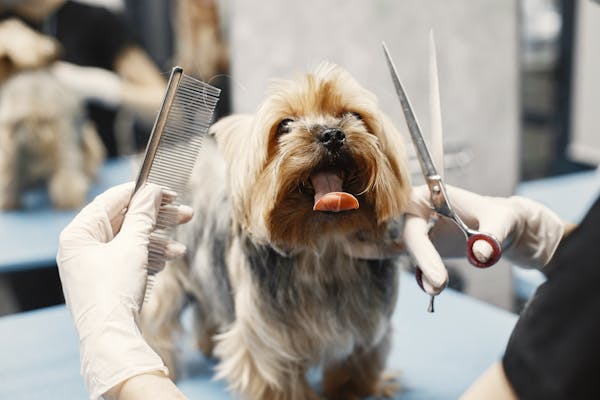
Regular grooming is not just about keeping your dog looking good. It is your single best tool for catching skin and coat problems early, when they are easiest and least expensive to treat. Every grooming session is essentially a hands-on health screening where you run your hands and eyes over your dog's entire body.
During a thorough brushing, you can feel lumps, bumps, or thickened skin that you would never notice by looking alone. You can spot the earliest stages of hot spots before they spread. You can detect flea dirt (tiny black specks that turn red when wet) even when you cannot see the fleas themselves. You can check inside ear flaps for redness or discharge. And you can monitor coat texture and shedding patterns over time, so gradual changes do not slip past you.
A self-cleaning grooming brush makes these regular checks practical and efficient. The retractable bristle design removes loose fur, distributes natural skin oils, and gives you full tactile contact with your dog's skin surface. After each session, a single button press releases the collected fur for disposal. For breeds that need frequent brushing, this convenience eliminates the cleanup friction that causes many owners to skip grooming sessions, which is exactly when problems go unnoticed.
How often you brush depends on your dog's coat type. Short-coated breeds like Beagles and Boxers benefit from brushing two to three times per week. Medium-coated breeds like Golden Retrievers and Australian Shepherds should be brushed every other day. Long-coated and double-coated breeds typically need daily attention to prevent matting and keep the skin accessible for inspection. For a complete schedule tailored to your dog's breed, see our dog grooming schedule guide.
Nutrition and Its Direct Impact on Coat Quality
You can groom your dog daily with the best tools available, and the coat will still look dull if the diet is not providing the right building blocks. Skin and coat health starts from the inside, and nutrition is the foundation that everything else builds on.
Omega-3 fatty acids are the most impactful single nutrient for coat health. Found in fish oil, flaxseed, and certain algae-based supplements, omega-3s reduce inflammatory skin responses, support the skin's moisture barrier, and give the coat that coveted glossy sheen. Dogs with allergic skin conditions often see significant improvement when omega-3 supplementation is added to their diet, sometimes enough to reduce or eliminate the need for prescription medications.
Omega-6 fatty acids work in tandem with omega-3s. They support cell membrane integrity and regulate sebum production. Most commercial dog foods contain adequate omega-6 levels, but the ratio of omega-6 to omega-3 matters. An imbalance that is too heavy on omega-6 can actually promote inflammation. Look for foods or supplement regimens that provide a ratio of roughly 5:1 to 10:1 omega-6 to omega-3.
Protein quality is critical because hair is approximately 90% protein (keratin). Dogs on low-protein diets or diets with poor-quality protein sources often develop thin, brittle coats and slow hair regrowth. If your dog's coat is not responding to fatty acid supplementation, protein quality and quantity should be the next thing you evaluate.
Hydration is the overlooked factor. Dehydrated skin produces a dry, flaky coat regardless of how good the diet is. Ensure your dog has constant access to fresh, clean water. Dogs that are reluctant drinkers may benefit from a smart pet water fountain that encourages more frequent drinking through flowing, filtered water.
Common Grooming Mistakes That Damage Skin and Coat
Well-intentioned grooming practices can sometimes cause the very problems they are meant to prevent. Here are the most common mistakes dog owners make that harm rather than help coat health.
Over-bathing. Bathing your dog too frequently strips the natural oils from their coat and disrupts the skin's pH balance. For most breeds, bathing once every four to six weeks is sufficient unless your dog gets visibly dirty or encounters something foul. When you do bathe, use a gentle, dog-specific shampoo with a pH balanced for canine skin (around 7.0 to 7.5), never human shampoo, which is too acidic for dogs.
Using the wrong brush. Different coat types require different brush types. A slicker brush that works perfectly on a Poodle's curly coat can irritate the skin of a short-coated breed like a Boxer. Wire-pin brushes are too harsh for fine coats. Rubber curry brushes work well for short coats but cannot penetrate a double coat. Match the tool to the coat for effective grooming that does not cause micro-abrasions on the skin surface.
Neglecting the undercoat. Double-coated breeds have a dense, soft undercoat beneath their visible topcoat. If the undercoat is not regularly addressed with an appropriate deshedding tool or undercoat rake, it compacts against the skin, trapping moisture, heat, and debris. This creates ideal conditions for hot spots, fungal growth, and bacterial infections. Never shave a double-coated breed's fur as a shortcut, because the undercoat often grows back thicker and denser while the protective topcoat may not recover properly.
Ignoring ears and skin folds. Areas with reduced airflow, like ear flaps, facial wrinkles, and groin folds, are prime real estate for yeast and bacterial overgrowth. These spots need regular inspection and gentle cleaning as part of your grooming routine. Moisture trapped in these areas is the single biggest trigger for infections that can spread to adjacent skin.
When to See the Vet About Skin and Coat Issues
Not every skin concern requires a veterinary visit. Mild dandruff that resolves with dietary adjustments, seasonal shedding increases, or a single minor hot spot that you catch and clean early can often be managed at home. But certain signs should prompt a professional evaluation sooner rather than later.
- Itching that lasts more than a few days or that your dog cannot stop doing, especially if it disrupts sleep or daily activities
- Open sores, raw areas, or hot spots that are spreading rather than healing, or that recur in the same location
- Patchy hair loss with clearly defined borders, which may indicate ringworm or other fungal infections that require specific treatment
- Strong, persistent skin odor that returns quickly after bathing, suggesting bacterial or yeast overgrowth
- New lumps or bumps that grow rapidly, change color, or ulcerate
- Skin problems accompanied by systemic signs like lethargy, appetite loss, increased thirst, or weight changes, which may indicate an underlying endocrine or organ problem
- Any skin issue that does not improve within two to three weeks of appropriate home care
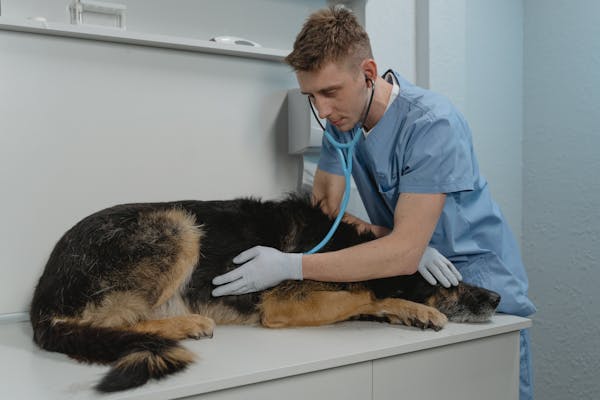
Your veterinarian has diagnostic tools, including skin scraping, fungal culture, allergy testing, blood panels, and biopsy, that can identify the specific cause of persistent skin problems. Many chronic skin conditions in dogs can be managed effectively once properly diagnosed, but accurate diagnosis is the essential first step. Combining professional veterinary care with a solid at-home grooming routine and proper nutrition gives your dog the best chance at maintaining healthy skin and a beautiful coat throughout their life.
Prevention is always more effective than treatment. A regular grooming schedule, a high-quality diet rich in essential fatty acids, adequate hydration, and consistent parasite prevention form the foundation of skin and coat health. For additional guidance on building a complete care routine, our dog dental care guide covers another commonly overlooked aspect of preventive health that complements skin and coat maintenance.
Keep Your Dog's Coat Healthy and Shiny
Our self-cleaning grooming brush makes regular coat checks easy with retractable bristles and one-button cleanup.