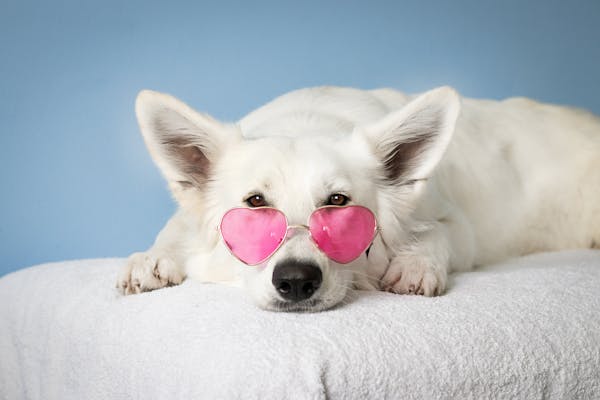
Summer brings longer days and more outdoor adventures with your pet, but rising temperatures also bring serious health risks. Dogs and cats cannot regulate their body temperature as efficiently as humans, making them especially vulnerable to heat-related illness. Heatstroke in pets can escalate from mild symptoms to a life-threatening emergency in under 15 minutes.
The good news is that keeping your pet safe does not require complicated routines. With the right strategies and a few smart products, you can help your furry friend enjoy summer comfortably. Here are seven expert-backed tips for summer pet care that every pet parent should know.
1. Invest in a Quality Pet Cooling Mat
A pet cooling mat is one of the most effective tools for regulating your dog's body temperature during hot weather. The best cooling mats use pressure-activated gel technology that absorbs and dissipates your pet's body heat without requiring water, electricity, or refrigeration.
Place the mat in your dog's favorite resting spot, inside their crate, or on the floor near a window. Our Self-Cooling Pet Mat activates the moment your pet lies down and can lower their resting temperature by several degrees. It is also waterproof and scratch-resistant, making it durable enough for daily use throughout the entire summer season.
2. Keep Fresh Water Available at All Times
Dehydration is one of the fastest paths to heatstroke. Dogs need significantly more water during warm months, especially after exercise or extended outdoor time. The problem is that many pets, particularly cats, are notoriously poor drinkers when water sits still in a bowl.
A pet water fountain solves this by providing a constant stream of filtered, moving water that naturally attracts your pet to drink more. Our Smart Pet Water Fountain features triple filtration and a 2.5-liter capacity, ensuring fresh water is always available even when you are away from home. Studies show that cats drink up to 3 times more water from a fountain compared to a still bowl.
3. Adjust Your Walking Schedule
Hot pavement can burn your dog's paw pads in as little as 60 seconds when air temperatures reach 77 degrees Fahrenheit (25 Celsius). The surface temperature of asphalt can be 40-60 degrees hotter than the ambient air temperature.
Shift your walks to early morning before 8 AM or evening after 7 PM when surfaces have cooled. Use the back of your hand on the pavement for 7 seconds as a test -- if it is too hot for you, it is too hot for your dog's paws. Stick to grass or shaded paths whenever possible.
4. Create Indoor Cool Zones
Not every pet has access to air conditioning, and even in cooled homes, some areas get warmer than others. Create a dedicated cool zone where your pet can retreat during the hottest parts of the day. Tile floors, basement areas, and rooms with good air circulation are ideal locations.
Combine a cooling mat with a small fan directed at your pet's resting area for maximum effect. You can also freeze a water bottle wrapped in a towel and place it near their bed for an extra cooling boost. For dogs with anxiety, having a consistent cool spot can also serve as a calming retreat.
5. Never Leave Your Pet in a Parked Car
This point cannot be emphasized enough. On an 80-degree day, the interior of a parked car can reach 100 degrees within 10 minutes and 120 degrees within 30 minutes, even with windows cracked. Dogs left in hot cars can suffer irreversible organ damage or death in a frighteningly short time.
If you need to run errands, leave your pet at home in a cool environment. If you see an animal in distress inside a hot car, contact local authorities immediately.
6. Use Frozen Treats and Enrichment
Frozen treats serve double duty during summer by providing both nutrition and a cooling effect. Fill a lick mat with yogurt, mashed banana, or peanut butter and freeze it overnight. The extended licking action keeps your dog cool while also providing calming mental stimulation.
Other frozen treat ideas include:
- Ice cubes made from low-sodium bone broth
- Frozen watermelon chunks (seedless only)
- Frozen blueberries as training rewards
- A frozen stuffed Kong with pumpkin puree
7. Know the Warning Signs of Overheating
Early detection of heat-related illness can save your pet's life. Watch for these symptoms, listed from mild to severe:
- Excessive panting that is heavier or louder than normal
- Drooling more than usual with thick, sticky saliva
- Bright red tongue and gums that may turn pale or blue
- Lethargy and weakness, reluctance to move or stand
- Vomiting or diarrhea, sometimes with blood
- Staggering or collapse, indicating a medical emergency
If you notice any of these signs, move your pet to a cool area immediately, offer small amounts of cool (not cold) water, apply cool wet towels to their neck and groin area, and contact your veterinarian right away.
Breeds That Need Extra Attention
Brachycephalic breeds (flat-faced dogs like Bulldogs, Pugs, and Boston Terriers) are at significantly higher risk because their shortened airways make cooling through panting less efficient. Senior dogs, puppies, overweight pets, and dogs with thick coats also need extra precautions. For these pets, a pet cooling mat is not a luxury -- it is a necessity.
Summer should be a season of fun for you and your pet. With these precautions in place and the right products on hand, you can keep your furry friend comfortable and safe no matter how high the mercury climbs. Looking for more tips on keeping your dog healthy? Check out our guide on the benefits of slow feeder bowls for better digestion year-round.
Beat the Heat This Summer
Keep your pet comfortable and safe with our top-rated cooling products. Vet approved, pet loved.