Walking your dog is probably the single most important thing you do together every day. It is exercise, mental stimulation, bonding, and socialization rolled into one activity. And yet, most dog owners are still using whatever leash and collar came home from the shelter or breeder without giving it a second thought.
Here is the thing: the right gear does not just make walks more convenient for you. It makes them safer and more enjoyable for your dog. A Labrador on a trail needs completely different equipment than a Chihuahua on a city sidewalk or a Husky who pulls like a sled dog. So let us break down what actually works for different situations.
The Leash Debate: Standard vs. Retractable
This is one of the most argued-about topics in the dog world, and honestly, both sides have valid points. The answer is not one or the other. It is about matching the leash to the situation.
Standard fixed-length leashes (typically 4-6 feet) give you maximum control. They are the right choice for busy streets, crowded areas, vet visits, and dogs who are still learning leash manners. If your dog is a puller, a fixed leash paired with proper training is the way to go. No exceptions.
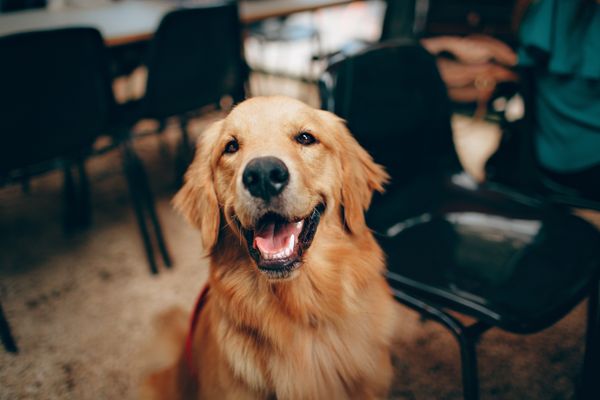
Retractable leashes shine in completely different settings. Open parks, quiet trails, beaches, and large fields where your dog has earned the freedom to explore at a distance. A well-trained Golden Retriever sniffing around a quiet park trail? That is exactly where a retractable leash makes both your lives better. The dog gets to explore, you maintain the ability to reel them in when needed.
The key word there is "well-trained." A retractable leash on an untrained dog is a recipe for trouble. The thin cord can cause rope burns, the mechanism can malfunction under high tension from a lunging 80-pound dog, and the variable length makes it harder to react quickly near roads or other dogs.
Night Walking: The Safety Gap Most Owners Ignore
This is the statistic that changed how I think about evening walks: approximately 80% of pet-vehicle accidents happen during low-light conditions, particularly at dusk and dawn. Drivers simply cannot see a dark-colored dog on a dark leash with an owner in dark clothing. It sounds obvious, but walk around any neighborhood at twilight and count how many dogs are essentially invisible.
An LED retractable leash solves two problems at once. You get the freedom of a retractable design for those evening park trips plus built-in LED lighting that makes you and your dog visible from hundreds of feet away. No more fumbling with separate clip-on lights that drain batteries and fall off.
Other night walking essentials include a reflective collar or vest for your dog and light-colored or reflective clothing for yourself. Stick to well-lit routes when possible, and keep the leash shorter than you would during daytime walks. Your reaction time needs to be faster when visibility is reduced.
Hands-Free Leashes: Not Just for Runners
Hands-free leashes used to be a niche product for joggers, but they have become genuinely popular for good reason. Think about everything you do on a typical walk: pick up waste, check your phone for directions, carry a coffee, manage kids, push a stroller. Having both hands free while your dog is safely secured at your waist is a game-changer.
A hands-free retractable leash with a comfortable waist belt works particularly well for daily walks with well-behaved dogs. The retractable mechanism gives your dog room to explore while the waist attachment distributes any sudden pulling force across your hips instead of jerking your arm. For runners, this means a natural stride without a leash arm. For everyone else, it means two free hands and a lot less frustration.
One important note: hands-free leashes are best for dogs that do not lunge aggressively at squirrels, other dogs, or passing joggers. If your dog has a strong prey drive or reactivity issues, you want hand control of the leash at all times.
Harness vs. Collar: Making the Right Call
Collars work fine for dogs that walk on a loose leash without pulling. But if your dog pulls even moderately, a harness is almost always the better choice. Here is why.
When a dog pulls against a collar, all that force concentrates on the trachea and neck. Over time, this can cause tracheal collapse (especially in small breeds like Yorkies, Pomeranians, and Chihuahuas), cervical spine issues, and increased intraocular pressure. A harness distributes that force across the chest and shoulders, which are built to handle it.
Harnesses are especially important for:
- Brachycephalic breeds (Bulldogs, Pugs, French Bulldogs) who already have compromised airways
- Small breeds with delicate tracheas
- Senior dogs with arthritis or neck problems
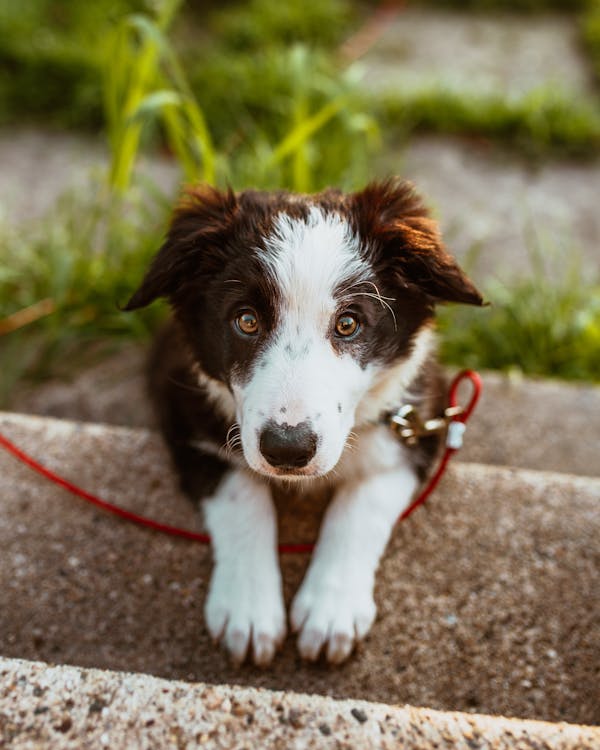
- Puppies who are still learning leash skills
- Pullers of any size, paired with front-clip harness training
And here is a fun one: harnesses are not just for dogs anymore. The "adventure cat" trend is real, and an increasing number of indoor cat owners are harness-training their cats for supervised outdoor time. If your cat stares out the window like they are planning an escape, an anti-skid cat harness with proper escape-proof design lets them explore safely. Start indoors, let them wear it around the house for short sessions, and gradually move to a quiet outdoor area.
Traveling With Your Pet: Beyond the Walk
Whether it is a weekend road trip or a cross-country move, traveling with a dog requires more planning than most people realize. The biggest mistake? Waiting until the morning of departure to figure out what you need.
A dedicated pet travel bag keeps everything organized and ready to go. Think of it as a go-bag for your dog. Here is what should be in it:
Road Trip Essentials Checklist
- Water and a collapsible bowl (dehydration on car trips is more common than you think)
- Enough food for the trip plus one extra day, in case of delays
- Waste bags (more than you think you need)
- Current ID tags and microchip info
- Vaccination records and vet contact information
- Any medications with dosing instructions
- A familiar blanket or toy for comfort in unfamiliar places
- A basic pet first-aid kit
- An extra leash (you would be amazed how easy it is to leave one behind at a rest stop)
For car safety, your dog should be secured in a crash-tested crate, a car harness attached to the seatbelt system, or behind a cargo barrier. A loose dog in a car is a projectile in an accident. At 30 mph, an unrestrained 60-pound dog generates roughly 2,700 pounds of force in a crash. That is dangerous for everyone in the vehicle.
Air Travel Tips
If you are flying, check your airline's pet policy at least two weeks in advance. Rules vary wildly between carriers and change frequently. Most airlines limit in-cabin pets to dogs and cats under 20 pounds (in carrier). Larger dogs typically fly as cargo, which comes with its own set of considerations including temperature restrictions, breed restrictions for brachycephalic dogs, and direct flight requirements.
Walking in Extreme Weather
Your dog needs walks year-round, but extreme temperatures demand extra precautions.
Hot weather: The 7-second rule is your friend. Place the back of your hand on the pavement and hold it there. If you cannot keep it down for 7 seconds, it is too hot for your dog's paw pads. Asphalt can reach 150 degrees Fahrenheit when the air temperature is just 85 degrees. Walk early morning or after sunset, stick to grass or shaded paths, and bring water. Check out our summer cooling tips for more detailed hot-weather strategies.
Cold weather: Most dogs handle cold better than heat, but paw care is often overlooked. Road salt and ice melt chemicals can cause chemical burns on paw pads and are toxic if your dog licks their feet afterward. Wipe paws after every winter walk, or use dog booties if your pet tolerates them. Short-coated breeds like Greyhounds, Whippets, and Pit Bulls may need a jacket when temperatures drop below 40 degrees Fahrenheit.
Rain gear is another consideration. Most dogs do not mind getting wet, but some breeds (looking at you, Bulldogs and Chihuahuas) will plant their feet at the door and refuse. A lightweight raincoat can be the difference between a productive walk and a standoff.
The bottom line is this: the gear you use should match your dog, your lifestyle, and the conditions you walk in. There is no single setup that works for everyone. But investing a little thought and money into the right equipment transforms walks from a chore into the highlight of both your days.
Upgrade Your Walking Gear
From LED retractable leashes to hands-free designs and travel essentials, find the gear that fits your lifestyle.