Bringing a puppy home is one of life's genuinely thrilling moments. The tiny paws, the clumsy stumbling, the way they fall asleep mid-play. But between the excitement and the first accident on your rug, reality sets in quickly: this little creature depends entirely on you, and being prepared makes the difference between a stressful first week and a smooth one.
This is your complete new puppy checklist, organized by category so you can shop methodically and have everything set up before your puppy walks through the door. We have also included first-week routines for feeding, sleeping, and potty training so you know exactly what to expect during those critical early days.
Feeding Essentials: Bowls, Food, and Portion Control
Puppies eat three to four times a day until around four months old, then transition to twice daily. Getting the feeding setup right from day one prevents bad habits that are much harder to correct later.
What You Need
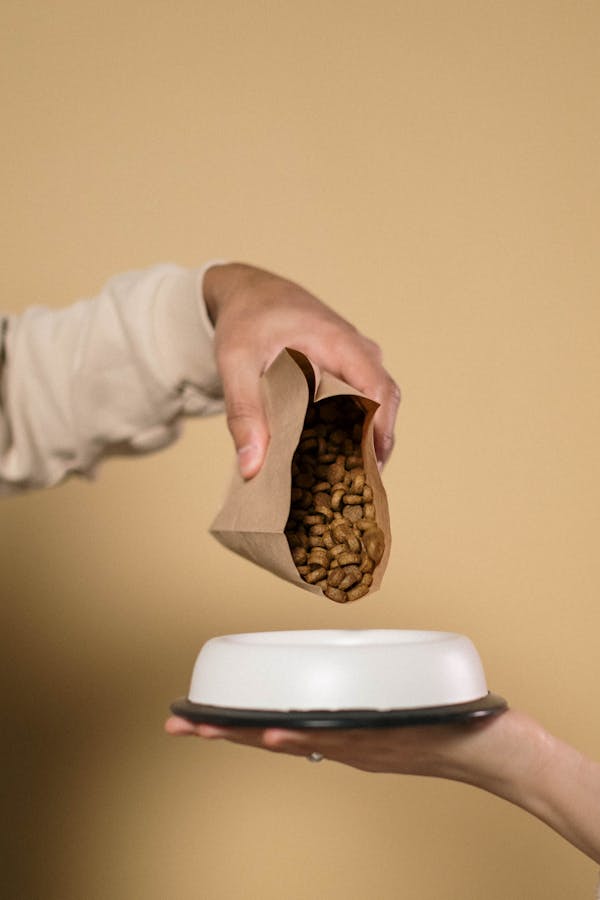
- A slow feeder bowl. Puppies are notoriously enthusiastic eaters, and gulping food leads to vomiting, choking, and even a dangerous condition called bloat. Starting with a slow feeder bowl from the very beginning teaches your puppy to eat at a healthy pace. The raised ridges force them to work around the pattern, extending mealtime from seconds to several minutes.
- A water bowl or fountain. Fresh water should be available at all times. For puppies who like to tip bowls or play in their water, a weighted ceramic bowl or a stainless steel option with a rubber base works best.
- High-quality puppy food. Ask your breeder or rescue what the puppy has been eating and continue with that food for the first week. If you want to switch brands, do so gradually over 7 to 10 days by mixing increasing amounts of the new food with the old to avoid digestive upset.
- Treats for training. Small, soft treats that your puppy can chew quickly are ideal. You will go through a surprising number during the first week of potty training and name recognition.
Feeding Schedule for the First Week
Consistency is everything with puppies. Feed at the same times each day and pick up the bowl after 15 to 20 minutes, whether they finish or not. This teaches your puppy that food appears on a schedule and prevents grazing, which makes potty training much harder to predict. A typical first-week schedule for an 8-week-old puppy is breakfast at 7 AM, lunch at noon, afternoon meal at 5 PM, and a small evening snack at 8 PM.
Sleeping Setup: Beds, Crates, and First Night Survival
Sleep is where many new puppy parents struggle most. Your puppy has just been separated from their mother and littermates for the first time, and nighttime is when they feel that absence most acutely.
The Crate Question
A crate is not a punishment. When introduced correctly, it becomes your puppy's den, a safe, enclosed space where they feel secure. Choose a crate large enough for your puppy to stand, turn around, and lie down in, but not so large that they can use one end as a bathroom. Many crates come with dividers so you can expand the space as your puppy grows.
Place the crate in your bedroom for the first week. Hearing your breathing and movements reassures your puppy that they are not alone, which dramatically reduces nighttime crying. Line the crate with a washable pet bed that you can easily remove and clean, because accidents will happen. A machine-washable bed saves you from the frustration of scrubbing padding at 3 AM.
First Night Tips
- Exercise your puppy with gentle play about an hour before bed so they are tired
- Take them outside for a bathroom break immediately before putting them in the crate
- Place a warm (not hot) water bottle wrapped in a towel in the crate to mimic the warmth of littermates
- Expect one to two wake-ups during the night for bathroom breaks. Carry your puppy outside quietly, let them do their business, then return them to the crate without fanfare
- Do not let them cry it out. Brief, calm reassurance is fine. Ignoring prolonged distress can create lasting anxiety
Walking and Outdoor Gear
Your puppy will not be ready for full neighborhood walks until they have completed their vaccination series, usually around 16 weeks. But you still need gear from day one for bathroom trips, yard exploration, and getting them used to the sensation of wearing a collar and leash.
Collar and ID Tag
A lightweight, adjustable collar with a flat buckle is ideal for puppies. Attach an ID tag with your phone number immediately, even if your puppy is microchipped. Tags are the fastest way for a finder to reach you if your puppy slips out a door.
Leash
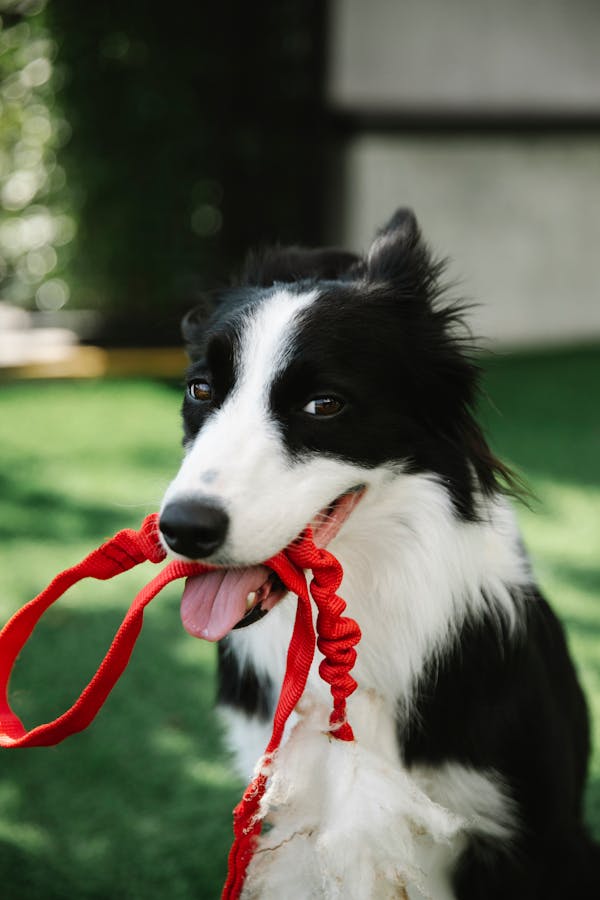
Start with a standard 6-foot leash for training and potty trips. Once your puppy is old enough for real walks, an LED retractable leash adds visibility during early morning and evening walks, which is especially useful during the darker months. The built-in light ensures passing cars and cyclists can see you and your small puppy clearly. Read our dog walking gear guide for a deeper look at leash options as your puppy grows.
Poop Bags and a Holder
Stock up. You will need far more than you think. Attach a roll holder to the leash so you never forget them on a walk.
Grooming Basics: Starting Early Pays Off
Most puppies do not need extensive grooming during the first week, but introducing them to the tools and sensations early prevents grooming anxiety later in life. Dogs who are never brushed as puppies often become adults who panic at the sight of a brush, turning a five-minute task into a two-person wrestling match.
Essential Grooming Tools
- A gentle brush. A self-cleaning grooming brush is perfect for puppies because the retractable bristles are gentle on their sensitive skin, and the one-click cleaning feature means you can keep sessions short and positive without fussing with hair removal between strokes.
- Puppy shampoo. Human shampoo is too harsh for puppy skin. Use a gentle, tearless puppy-specific formula.
- Nail clippers or a grinder. Puppy nails are sharp and grow fast. Even if you do not clip during the first week, handle your puppy's paws daily so they become comfortable with the sensation.
- Ear cleaning solution. Floppy-eared breeds are particularly prone to ear infections. Your vet can show you the proper technique at the first visit.
During the first week, keep grooming sessions under two minutes. The goal is not a thorough brushing but rather creating a positive association with being handled. Pair each session with small treats and praise. Our dog grooming schedule guide covers how to build from these early sessions into a complete routine as your puppy matures.
Toys and Mental Enrichment
Puppies explore the world with their mouths. Without appropriate toys, that exploration targets your furniture, shoes, and electrical cords. Having the right toys available from day one redirects chewing to safe outlets and begins the mental stimulation that puppies need to develop into well-adjusted adults.
Types of Toys Every Puppy Needs
- Chew toys. Rubber chew toys soothe teething pain and satisfy the natural urge to gnaw. Choose size-appropriate options that your puppy cannot swallow or break apart.
- Puzzle toys. An interactive puzzle toy is one of the best investments you can make during the puppy phase. Filling a puzzle with kibble or treats keeps your puppy occupied during crate time, provides mental exercise that tires them out faster than physical play alone, and teaches problem-solving skills that carry through their entire life.
- Soft toys. Many puppies find comfort in a plush toy, especially during the first nights away from their litter. Choose one without button eyes or small parts that could be chewed off and swallowed.
- Tug toys. Gentle tug games build your bond and provide great exercise, but let the puppy win sometimes and stop if they get overly aroused.
Rotate toys every few days so they feel novel. A toy that was boring yesterday becomes exciting again after it has been hidden for a week. For more enrichment strategies, see our guide on mental enrichment for dogs.
Puppy-Proofing Your Home
Before your puppy arrives, get on your hands and knees and look at your home from their height. You will be surprised what becomes interesting or dangerous from 10 inches off the ground.
- Electrical cords. Bundle and hide them behind furniture or use cord covers. Puppies chew cords compulsively.
- Toxic plants. Lilies, sago palms, azaleas, and many common houseplants are toxic to dogs. Move them to high shelves or a separate room.
- Small objects. Socks, children's toys, rubber bands, and coins are all choking hazards. Keep floors clear.
- Trash cans. Invest in cans with secure lids or place them behind closed doors. Puppies are remarkably resourceful when food scraps are involved.
- Cleaning products and medications. Move everything to high cabinets or install childproof locks.
- Stairs and balconies. Block access with baby gates until your puppy is big enough to navigate safely.
Establishing First-Week Routines
Puppies thrive on predictability. A consistent daily routine reduces anxiety, accelerates house training, and helps your puppy understand what is expected of them. Here is a framework you can adapt to your schedule:
Potty Training Basics
Take your puppy outside to the same spot immediately after waking up, after every meal, after play sessions, and before bed. Praise enthusiastically when they go in the right place. When accidents happen indoors (and they will), clean the spot thoroughly with an enzymatic cleaner to remove the scent marker. Never punish a puppy for an accident. They do not have the bladder control or cognitive ability to connect punishment with something they did minutes ago.
Socialization in Week One
The socialization window for puppies closes around 14 weeks, so every positive new experience during the first week counts. Before vaccinations are complete, carry your puppy to experience different sounds, surfaces, and people. Let them observe traffic from your arms, meet friendly adults, hear household appliances, and feel grass, tile, and carpet under their paws. The more positive exposures they accumulate now, the more confident and adaptable they will be as adults.
Building a Daily Schedule
- 6:30 AM - Wake up, immediate bathroom trip outside
- 7:00 AM - Breakfast in slow feeder, followed by bathroom trip
- 7:30 AM - Supervised play and exploration (15 to 20 minutes)
- 8:00 AM - Nap time in crate (puppies need 18 to 20 hours of sleep daily)
- 10:00 AM - Wake up, bathroom trip, short play session
- 12:00 PM - Lunch, bathroom trip, brief socialization or handling practice
- 12:30 PM - Nap time
- 3:00 PM - Wake up, bathroom, puzzle toy or enrichment activity
- 5:00 PM - Dinner, bathroom trip, family play time
- 7:00 PM - Calm settling practice, gentle grooming introduction
- 8:00 PM - Small snack, final bathroom trip, bedtime
Your First Vet Visit
Schedule a veterinary appointment within the first three days of bringing your puppy home. Even if the breeder or rescue provided health records, your vet needs to establish a baseline and verify the vaccination schedule. Bring all paperwork, a stool sample, and a list of questions. Common first-visit topics include vaccination timing, parasite prevention, spay and neuter scheduling, and dietary recommendations specific to your puppy's breed and size.
The first week with a new puppy is exhausting, messy, and occasionally overwhelming. It is also the foundation for the next 10 to 15 years of life with your dog. Every positive experience, every consistent routine, and every moment of patience you invest now compounds into a well-adjusted, confident, happy companion. Stock up on supplies, lower your expectations for your own sleep schedule, and enjoy the puppy phase. It goes faster than you think.
Get Your Puppy Starter Kit
Start your puppy off right with slow feeders for healthy eating habits and puzzle toys for mental development.