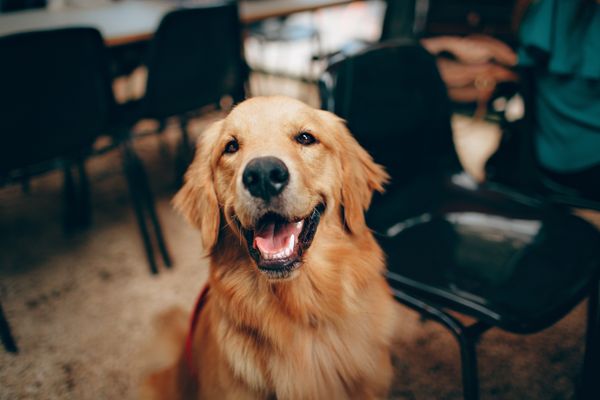
Some dogs were literally bred to run 30 or more miles a day herding sheep across hillsides. Others were designed to pull sleds through Arctic blizzards for hours without stopping. Then we bring them home, put them in an apartment, give them two 15-minute walks a day, and wonder why they eat the couch.
If you own a high-energy breed -- or you are thinking about getting one -- this guide is the honest conversation nobody had with you at the breeder or rescue. These dogs are incredible. They are also a full-time commitment. Here is what it actually takes to keep them happy, healthy, and out of trouble.
The Breeds That Need the Most (Honest Exercise Minimums)
Every breed guide on the internet says something vague like "needs regular exercise." That is useless. Here are real numbers based on what these breeds were actually designed to do.
Border Collie
Minimum: 2+ hours daily. The Border Collie is widely considered the smartest dog breed on the planet, and that intelligence comes with a catch. They need a job. If you do not give them one, they will invent one, and it usually involves herding your kids, dismantling your furniture, or staring at you with an intensity that makes you feel like you are failing an exam. Physical exercise alone will not cut it. They need problem-solving, training, and mental challenges every single day.
Australian Shepherd
Minimum: 1.5 to 2 hours daily. Think of the Aussie as the Border Collie's slightly more social cousin. Same intelligence, same work drive, but a bit more interested in being your best friend while doing it. They excel at agility, frisbee, and anything that lets them run and think simultaneously. An understimulated Aussie will bark. A lot.
Jack Russell Terrier
Minimum: 1.5+ hours daily. Do not let the size fool you. This 15-pound dog has the engine of a breed three times its size. Jack Russells were bred to chase foxes into underground dens, so they have explosive energy, an insane prey drive, and zero quit. They will dig through drywall if they are bored enough. I have seen it happen.
Vizsla
Minimum: 1 to 2 hours daily. The Vizsla is nicknamed the "velcro dog" because they attach themselves to their owner and do not let go. They need a running partner, not just a walking buddy. A Vizsla that does not get enough exercise becomes anxious and clingy to the point of destructiveness. If you run, hike, or cycle regularly, this breed is a dream. If you are a couch person, look elsewhere.
Siberian Husky
Minimum: 2+ hours daily. Huskies were bred to run 100 or more miles per day pulling sleds through snow. Read that again. One hundred miles. Your 30-minute walk around the block is a warm-up for this dog. Huskies that do not get adequate outlets are legendary escape artists. They will dig under fences, jump over them, or just push through them. They also howl. Loudly. At 3 AM.
Belgian Malinois
Minimum: 2+ hours daily. This is the Navy SEAL of dogs. Used by military and police forces worldwide for a reason -- they are driven, intense, and need constant engagement. The Malinois is not a casual pet. They need structured training, a confident handler, and a serious daily outlet. If you are considering this breed as a family pet without professional training experience, think very carefully.
Dalmatian
Minimum: 1.5 to 2 hours daily. Dalmatians were bred to run alongside horse-drawn carriages for hours at a time. They are endurance athletes with a strong need to move. A Dalmatian stuck indoors all day becomes hyperactive, mouthy, and difficult to manage. They do best with owners who enjoy long runs or have access to large, secure outdoor spaces.
Weimaraner
Minimum: 1.5 to 2 hours daily. The "grey ghost" combines high energy with a deep need for human companionship. This means a bored, lonely Weimaraner is a double disaster -- separation anxiety plus pent-up energy equals a dog that will destroy your house while having a panic attack. They need both physical outlets and a lot of your time.
Quality Over Quantity: Making Exercise Count
Here is the thing most people get wrong. Three aimless hours of walking on a leash are not the same as one focused hour of structured exercise. High-energy breeds need exercise that engages their body and brain together.
Running is one of the best options. A structured run where your dog trots beside you at a steady pace provides better physical conditioning than a meandering sniff-walk. A Hands-Free Retractable Leash makes running with your dog dramatically easier -- your arms stay free for natural movement, and the retractable design gives your dog some range without tripping you up. It works for walks too, but for active breeds, this is really a running tool.
Other high-quality exercise options include fetch with obedience commands mixed in (sit before each throw), swimming, flirt pole sessions (basically a giant cat toy for dogs -- they love it), and hiking on varied terrain.
Mental Exercise: The Missing Piece
If your high-energy dog is still bouncing off the walls after a long run, the problem probably is not physical. It is mental. A tired brain matters more than tired legs when it comes to actually settling a high-drive dog.
Swap the food bowl for a puzzle feeder. An Interactive Puzzle Toy turns a 90-second meal into a 15-minute brain workout. For a Border Collie or Aussie, this is not optional -- it is daily maintenance. Feed every meal through a puzzle toy and you will notice a difference within the first week.
Training sessions count as mental exercise too. Even 10 minutes of learning a new trick demands intense focus from your dog. Nose work -- hiding treats around the house and letting your dog find them -- is another excellent option that tires dogs out surprisingly fast.
The Wind-Down Routine
High-energy dogs often struggle to transition from "go mode" to "rest mode." They come back from a run still amped up, pacing around, panting, unable to settle. This is where a deliberate wind-down routine makes a huge difference.
After physical exercise, give your dog a Premium Silicone Lick Mat loaded with frozen peanut butter or yogurt. The repetitive licking action releases endorphins and naturally lowers heart rate. It is like a meditation session for dogs. Within 10 minutes, most dogs go from wired to sleepy. Make this part of your post-exercise ritual and your dog will start to associate the lick mat with calm-down time.
Hot Weather Adjustments
High-energy breeds still need their exercise in summer. You cannot just skip it because it is 90 degrees outside -- a Husky with pent-up energy does not care about the weather forecast. But you do need to adjust your approach.
Shift exercise to early morning or late evening. Keep sessions shorter but more intense. Use swimming as a primary exercise when possible -- it is easier on joints and keeps body temperature down. After any warm-weather activity, give your dog access to a Self-Cooling Pet Mat to bring their core temperature down quickly. This is especially important for double-coated breeds like Huskies and Aussies that retain heat more than short-coated dogs.
Watch for signs of overheating: excessive panting, drooling, glazed eyes, or stumbling. These dogs will push through discomfort to keep working -- it is in their DNA. You need to be the one who calls it.
Common Mistakes That Make Things Worse
Over-Exercising Puppies
This is the biggest one. A puppy's growth plates do not fully close until they are 12 to 18 months old, depending on the breed. Before that, excessive running, jumping, or forced exercise on hard surfaces can cause permanent joint damage. The general rule is 5 minutes of structured exercise per month of age, twice a day. So a 4-month-old puppy gets two 20-minute sessions. It feels like not enough. It is exactly right.
Thinking Exercise Alone Solves Everything
If you only provide physical exercise, you are building an athlete. And athletes need more. You will create a dog with incredible endurance that still cannot settle on the couch. The fix is always a combination of physical exercise, mental stimulation, and training. If one of those three legs is missing, the whole thing falls over.
Creating an Arms Race
Some owners fall into a trap: their dog seems hyper, so they add more exercise. The dog gets fitter, needs even more exercise, and the cycle continues until the owner is running 10 miles a day and the dog still wants more. If your dog's exercise needs seem to be constantly escalating, you are probably under-serving their brain, not their body. Add mental enrichment before adding more miles.
When Energy Becomes Anxiety
There is an important line between a dog that needs more exercise and a dog that has an anxiety disorder. They look similar on the surface -- restlessness, inability to settle, destructive behavior -- but the causes and solutions are very different.
Red flags that suggest anxiety rather than simple under-stimulation include:
- Restlessness even after adequate exercise -- your dog ran for an hour, did a puzzle feeder, and still cannot lie down
- Hypervigilance -- constantly scanning the environment, startling at normal sounds, unable to relax even in familiar settings
- Displacement behaviors -- excessive yawning, lip licking, or scratching when not tired or itchy
- Inability to eat -- too wired to take treats or eat meals, even from a puzzle toy
- Escalating intensity -- play that goes from fun to frantic in seconds, inability to modulate arousal
If you are seeing these signs, more running is not the answer. These dogs need a veterinarian or certified animal behaviorist. Anxiety is a medical condition, not a training problem, and it often responds well to a combination of behavior modification and, in some cases, medication.
Owning a high-energy breed is not for everyone. It demands time, consistency, and a willingness to structure your daily routine around your dog's needs. But when you get it right -- when your Border Collie nails a new agility course, when your Husky runs beside you on a crisp morning trail, when your Jack Russell finally flops onto the couch after a solid enrichment session -- there is nothing like it. These dogs give everything they have. They just ask that you do the same. For more on keeping your dog mentally engaged, check out our complete guide to dog mental enrichment.
Gear Up for Active Dogs
From hands-free leashes to cooling mats, everything your high-energy dog needs to thrive.